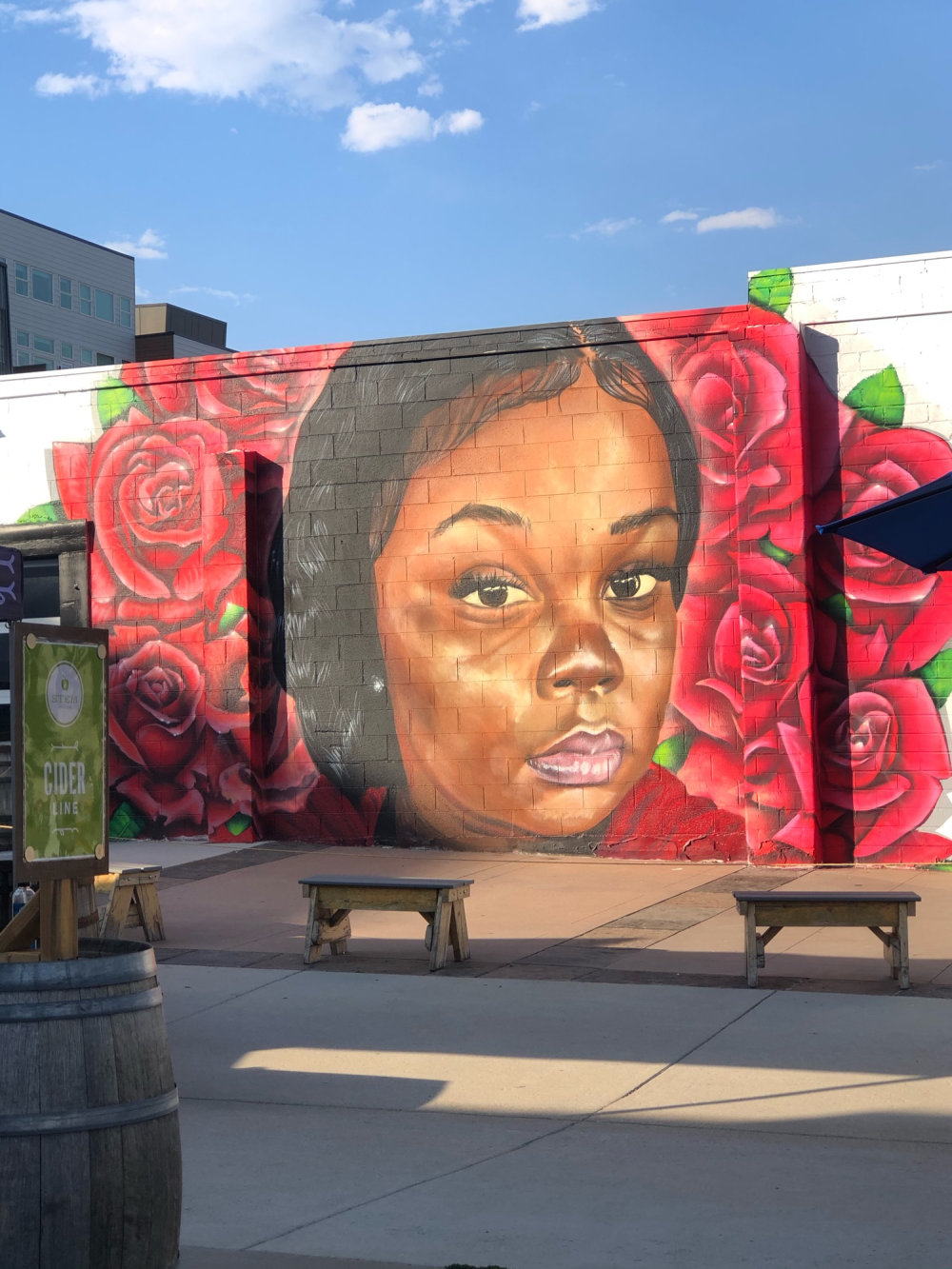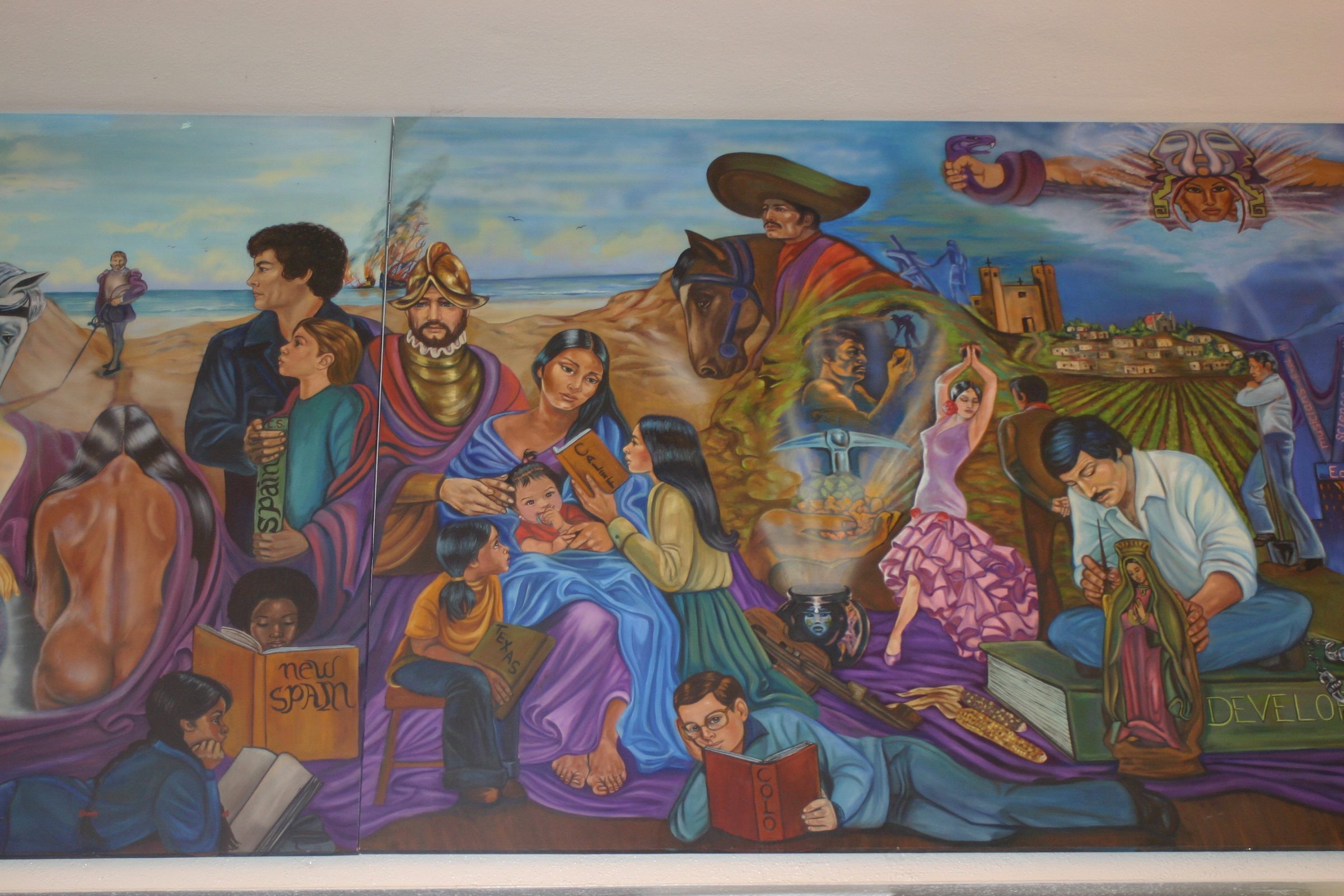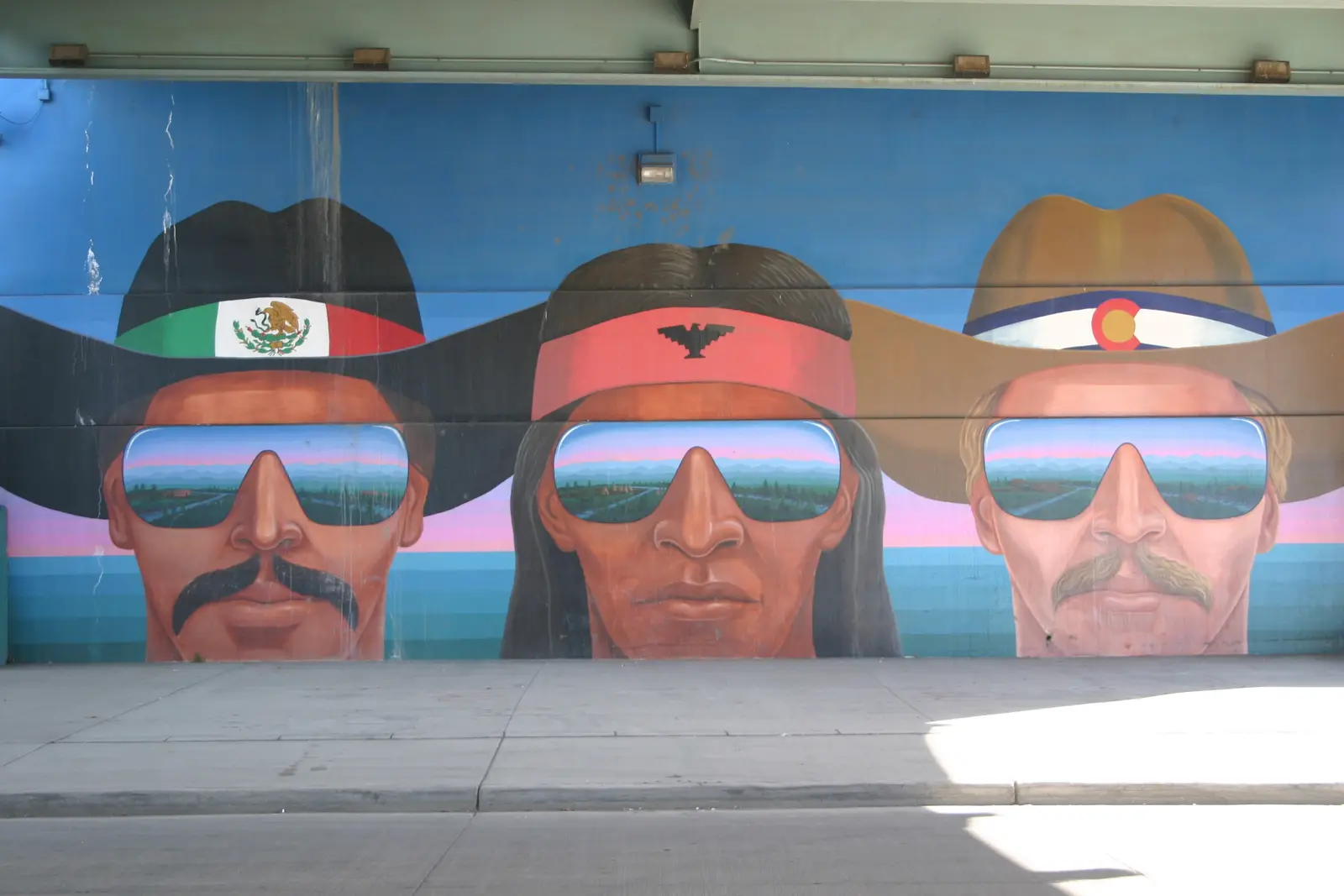
The RiNo Art District is located at 1320 27th St G, Denver, CO 80205, according to the district's own site ( RiNo Art District ).
Denver's street art story has a fixed starting point: the RiNo Art District at 1320 27th St G, Denver, CO 80205. The district describes itself as a nonprofit dedicated to revitalizing the community through art and creative spaces (RiNo Art District). This page uses that address as the anchor for a walk through the city's murals. It explains what street art is, what the district's Welcome Center offers, how the CRUSH WALLS festival fits into the district's work, and how to park and get in. It suits a reader who wants one clear place to begin and the practical details before leaving home.
What Street Art Means in Denver
Street art is visual art created in public locations for public visibility, and the form has evolved to provoke thought. That definition explains how a walk like this one works. The work is made to be seen from the sidewalk, so the street itself serves as the gallery.
A definition does not name a place, though. This page pairs it with a single address, and the first decision for any visitor is simple: begin at 27th Street, then choose a direction once the plan for the day is set.
The RiNo Art District at 1320 27th St G
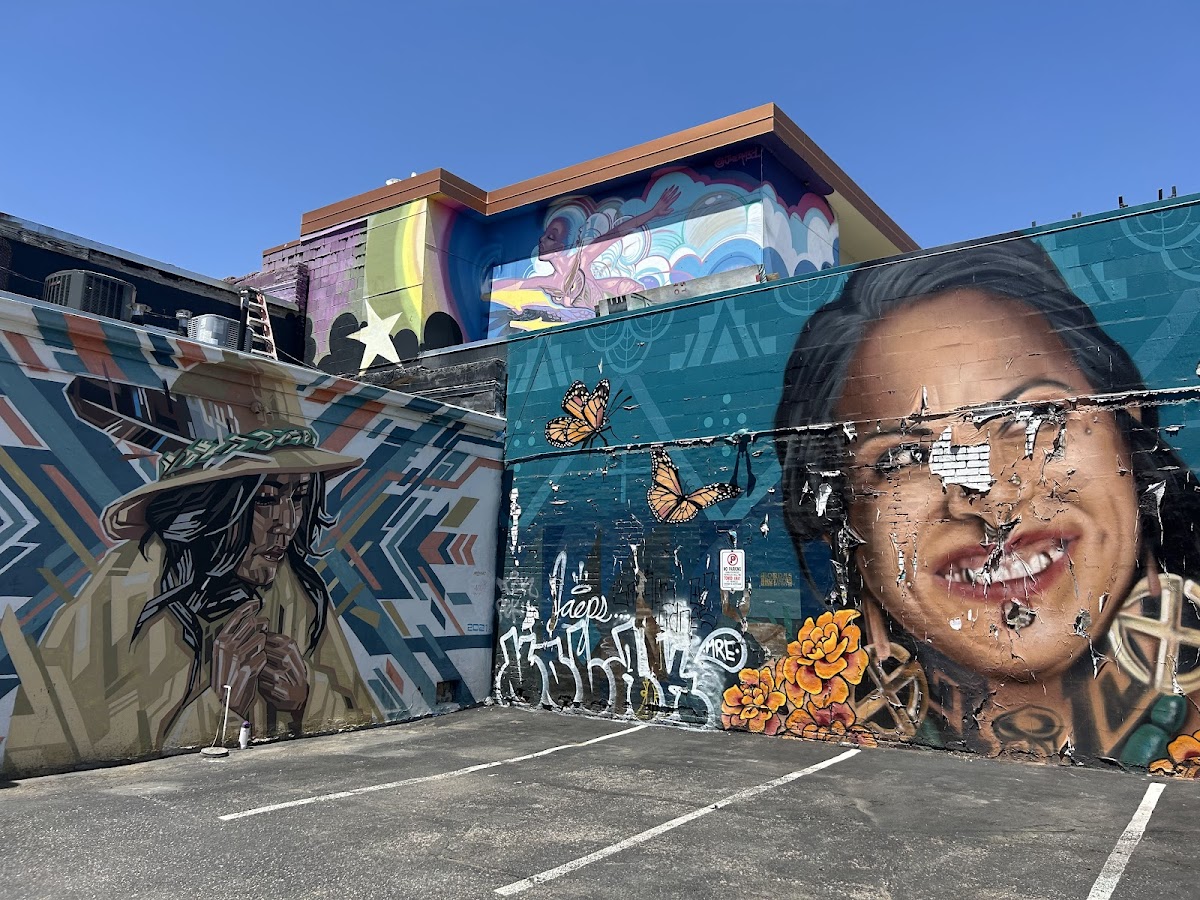
Enter the full line, including the G, when you set a destination. The address is the fixed point the rest of this page measures from, so every step in the plan starts at that door.
Why the District Is Worth a Stop
Three things make the district worth the trip. The first is its mission. The district describes itself as a nonprofit dedicated to revitalizing the community through art and creative spaces ( RiNo Art District ), so a visit connects to an organization whose work centers on art. The second is the Welcome Center, which gathers the district's news, events and creative programming in one hub ( RiNo Art District ). The third is the CRUSH WALLS festival, which returns to the district every year.
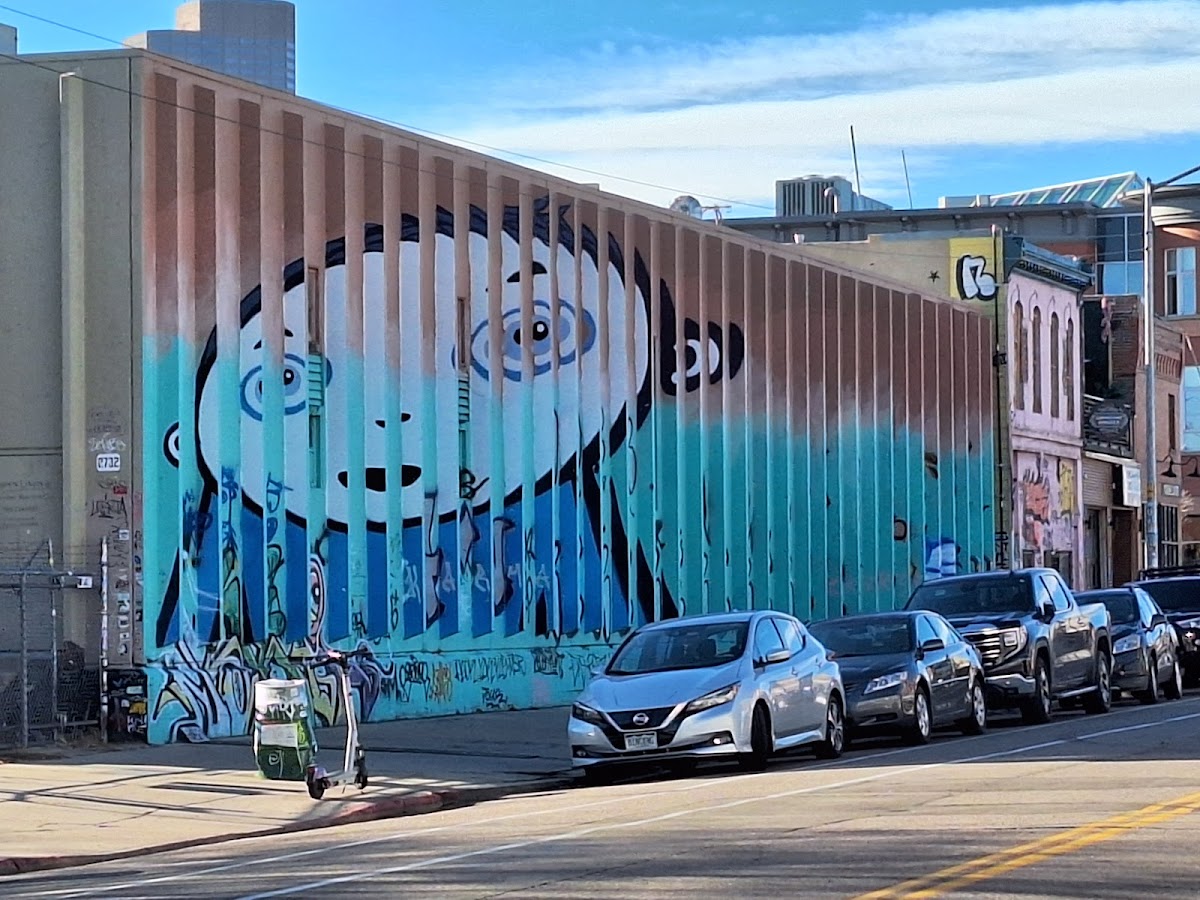
The rating adds a fourth reason. A 4.6 of 5 across 540 Google ratings gives a reader a sense of how the place is received by the people who have rated it. Visitors who want one clear starting point can plan the day from these lines alone, and a reader who needs an accessible entrance or parking will find those lines in the section on access below.
The Creative District Welcome Center
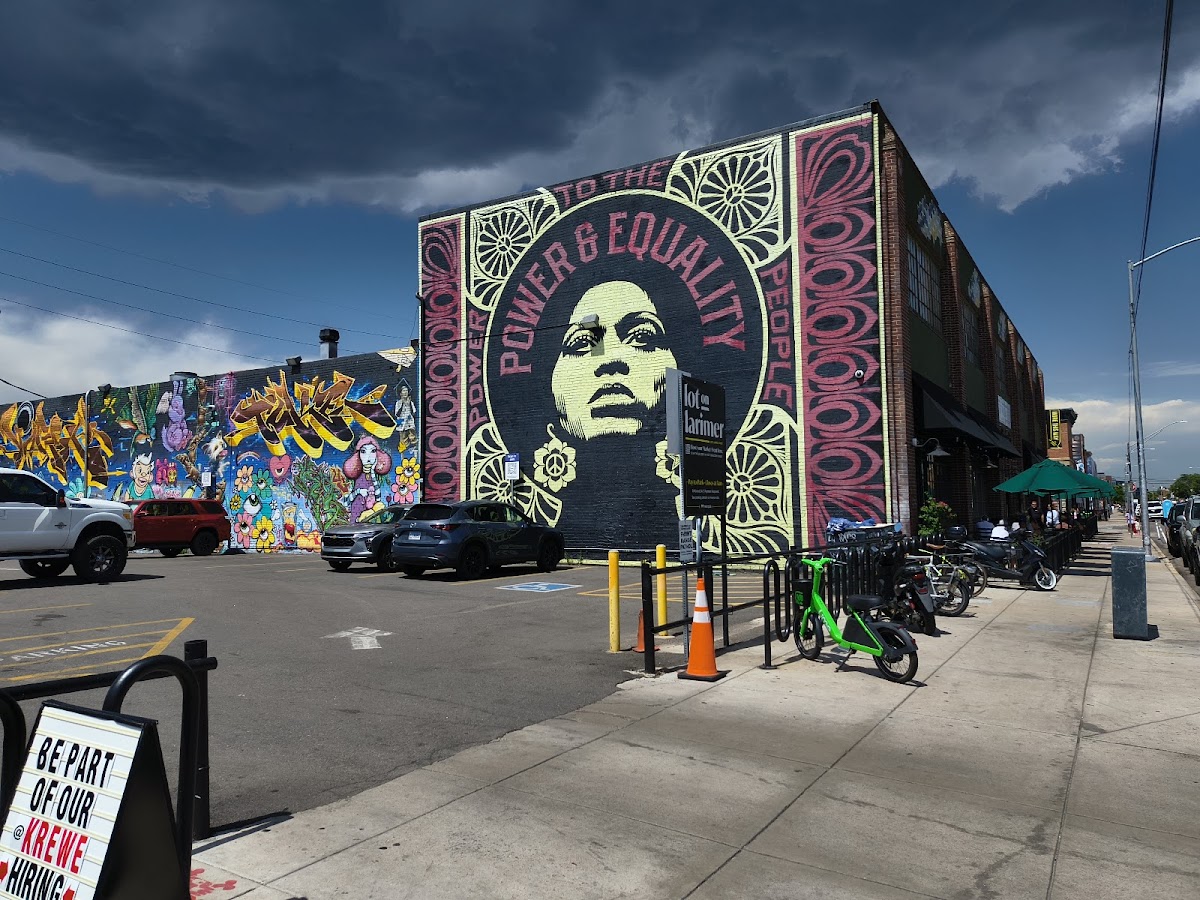
The district has a Creative District Welcome Center, which serves as a central hub for information about the district's news, events and creative programming ( RiNo Art District ). For a visitor, the hub is the place to check what is current before choosing a wall.
The order matters. Learn what the district is running first, then decide which stretch of walls to see. A reader who arrives with a route in mind can still use the Welcome Center to confirm the day's events, because its role is to gather the district's current news in one place.
CRUSH WALLS and the Festival Murals
CRUSH WALLS is an annual street art festival held in RiNo. The district describes it as inviting local, national and international artists to paint large-scale public murals ( RiNo Art District ). The invitation covers artists at three levels of reach, and that range is the festival's defining feature as the district presents it.
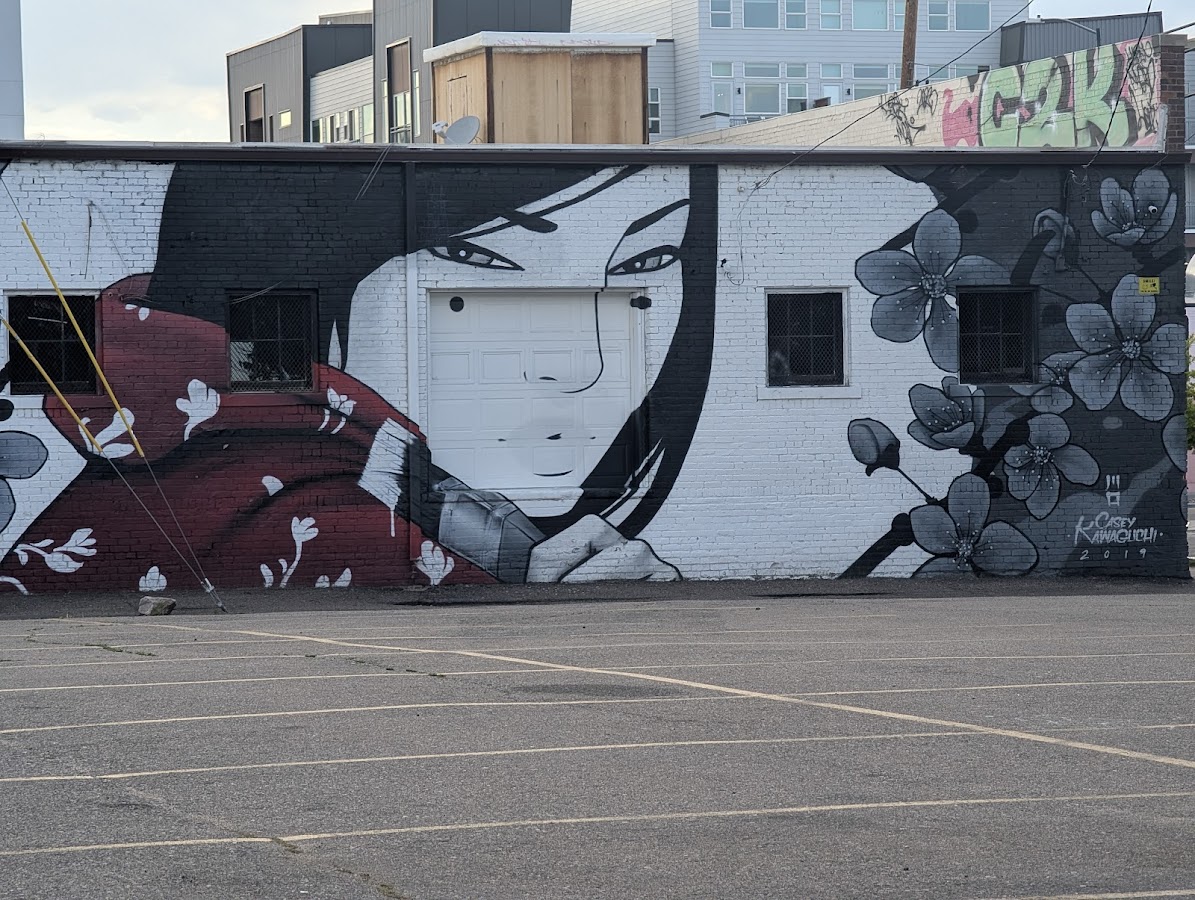
The festival's murals are made within the district, so the 27th Street address is a sensible place to start a walk past them. A reader who knows the festival by name can use the address to find its work without needing a separate map to get started.
Parking and Access at the RiNo Art District
If you drive, the venue listing gives two kinds of street parking: free street parking and paid street parking. A driver can choose between the two on the day. If it takes a car, plan on street parking, since that is the parking the listing gives for the district.
Wheelchair accessible parking is listed as its own line, separate from the street options. The entrance is also listed as wheelchair accessible. A visitor who uses a wheelchair therefore has two listed features to plan around, the parking and the entry, and both belong to the same address as the rest of this page.
Planning a Street Art Day in RiNo
Start at 1320 27th St G. Check the Welcome Center's news and events first. Then choose between the free and paid street spaces, depending on how long you plan to stay and whether you need the accessible parking line. Once the plan is set, open the Denver Mural Map to choose the next stretch of walls, or the Denver Murals Guide if you prefer walks grouped by area.
Each step in that order depends on the one before it, so the day holds together from the first block to the last.
Where to Keep Exploring Denver Murals
The district's walls are one part of the city's mural scene, and this site has three other pages to carry the walk further. RiNo Mural Walk: Denver's Best Street Art Corridor covers the RiNo corridor on its own terms. Denver Mural Map: Street Art Guide by Neighborhood shows the city's walls neighborhood by neighborhood. Five Points Street Art Denver: Jazz Heritage Murals Meet New Walls covers a different part of the city, where jazz heritage murals sit beside newer walls.
Start the day at the district's address, then open whichever guide fits the route you want.
Common Questions About the RiNo Art District
What is CRUSH WALLS in Denver? It is a yearly festival in RiNo at which artists from three levels of reach, local, national and international, paint large public murals ( RiNo Art District ).
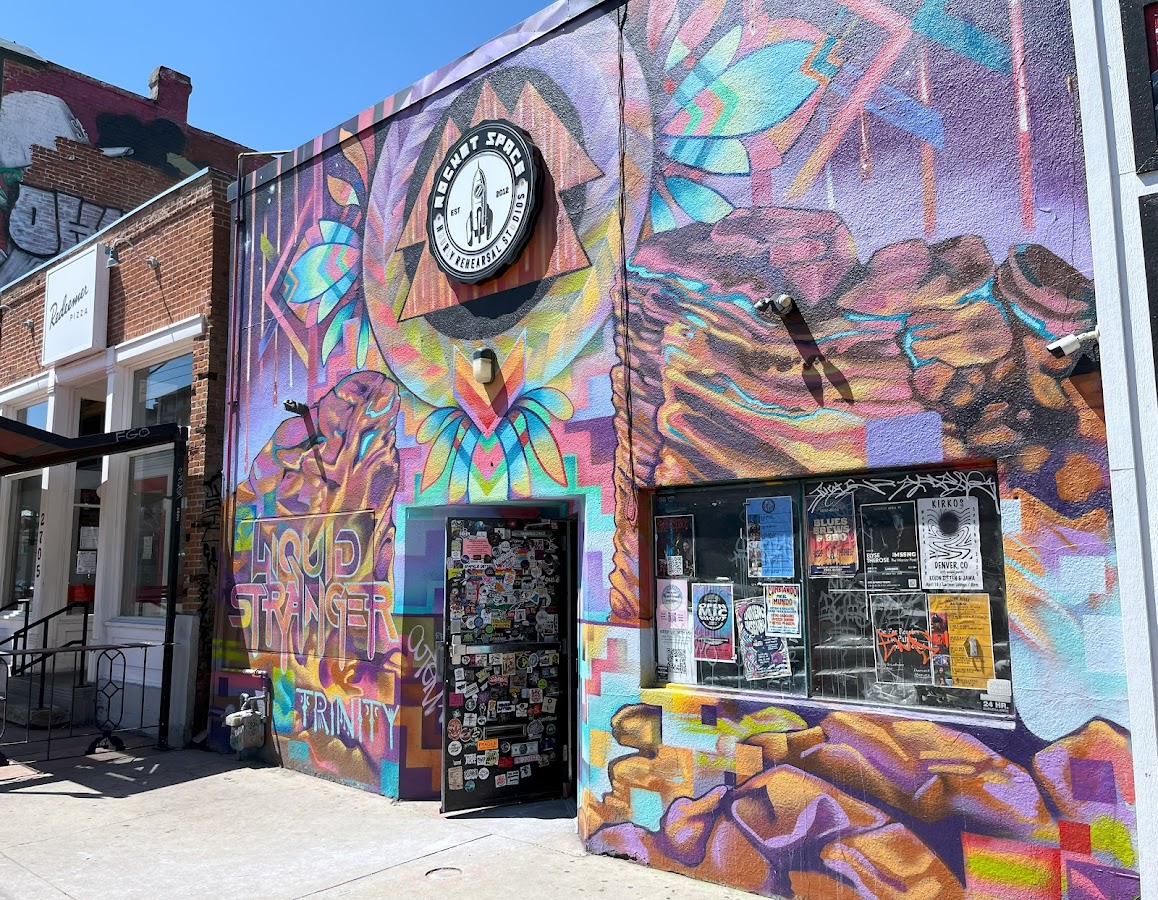
Where is the RiNo Art District? It is at 1320 27th St G, Denver, CO 80205 (RiNo Art District).
Is there parking at the RiNo Art District? Yes. The venue listing gives free street parking and paid street parking, and it lists wheelchair accessible parking as a separate line.
Is the RiNo Art District wheelchair accessible? The listing gives a wheelchair accessible entrance and wheelchair accessible parking, so both the way in and the car space are covered.
Updated 2026-10-11: removed unsourced prices, counts, dates and developer claims; kept the address, Welcome Center, CRUSH WALLS and parking.
Keep reading
ArtRiNo Mural Walk: Denver's Best Street Art Corridor
The RiNo Art District packs 500+ murals into a 10-block stretch. Here's how to walk it.
5 min de lecturaArtSanta Fe Murals Denver: Chicano Art Heritage on the Original Arts Corridor
Santa Fe Drive's murals predate Denver's street art boom by decades. Walk the original arts corridor.
6 min de lecturaArts & CultureRainy Day Boos: A Wednesday Paint and Sip Night in Lone Tree
Three facts from the listing make the case. The class is guided, so Brittlyn walks the room through the painting rather than leaving you with a blank
13 de octubre de 2026 · 3 min de lectura
Art
Street Art